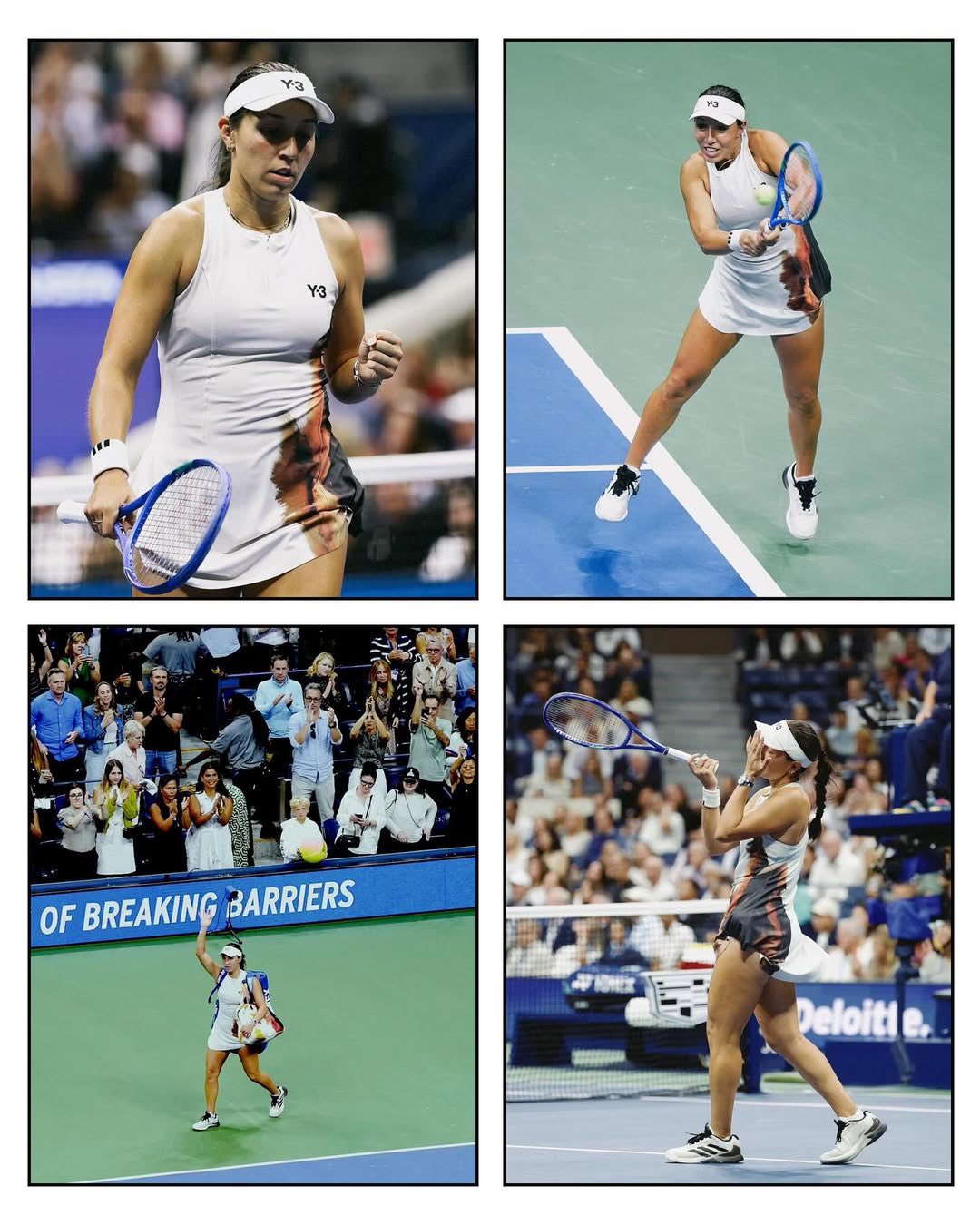
Tennis World in Frenzy as Emma Raducanu Denies Romance With Carlos Alcaraz – What She Really Said! See More Pictures!


The tennis world thrives on drama almost as much as it does on forehands and match points, and this week the rumor mill has been spinning at full speed. At the center of the latest frenzy are two of the sport’s brightest young stars: Emma Raducanu and Carlos Alcaraz. Social media timelines, fan forums, and gossip pages lit up with speculation about a possible romance between the US Open champion and the reigning Grand Slam powerhouse—until Raducanu stepped in to shut it down.
The buzz reportedly began after the pair were spotted interacting warmly at recent tournaments and promotional events. A shared laugh here, a friendly exchange there, and suddenly the internet did what it does best: connect dots that may not exist. Photos circulated, captions became increasingly suggestive, and before long, the narrative had taken on a life of its own. In the eyes of fans hungry for a fairytale tennis couple, Raducanu and Alcaraz were already being cast as the sport’s next golden duo—on and off the court.
Raducanu, however, was having none of it.
When asked directly about the rumors, the British star was quick, clear, and characteristically composed. She firmly denied any romantic involvement with Alcaraz, stressing that their relationship is rooted in mutual respect as fellow professionals navigating the same high-pressure environment. According to Raducanu, there is no secret love story, no hidden romance, and certainly no relationship being kept from the public eye. What people are seeing, she explained, is simply friendship and camaraderie between two young athletes who understand the unique demands of elite tennis.
That statement alone should have been enough to end the conversation—but in today’s media ecosystem, denial often fuels curiosity rather than extinguishing it.
Fans immediately dissected her words, tone, and even body language, searching for subtext that might suggest something more. Some praised her for drawing a firm boundary and keeping the focus on her career. Others, less convinced, insisted that “there must be something there,” pointing again to photos, smiles, and shared moments as supposed evidence. It is a familiar cycle for high-profile athletes, especially young stars whose personal lives are scrutinized as intensely as their backhands.
What often gets lost in these discussions is context. Raducanu and Alcaraz belong to a generation of players growing up under constant digital surveillance. Every interaction is photographed, every comment amplified, and every silence interpreted. In that environment, even the most ordinary professional friendship can be transformed into headline-grabbing speculation.
From a sporting perspective, the timing of the rumors is particularly awkward. Both players are focused on consistency, fitness, and results after periods of intense pressure and expectation. For Raducanu, who has been steadily rebuilding form and confidence, unwanted gossip risks overshadowing progress on the court. For Alcaraz, already burdened with comparisons to legends of the game, the last thing needed is a distraction unrelated to tennis.
Still, the fascination persists, perhaps because fans enjoy imagining connections between their heroes. Tennis has a long history of power couples, and the idea of two Grand Slam champions sharing a romance is undeniably compelling. But compelling does not mean true—and Raducanu’s words leave little room for ambiguity.
In the end, what she really said was simple: there is no romance. Just respect, professionalism, and a desire to be judged by results rather than rumors. Whether that finally cools the frenzy remains to be seen. Until then, the cameras will keep clicking, the headlines will keep teasing, and fans will keep scrolling—eager, as always, to see more pictures.