Emma Raducanu Breaks Her Silence 💬🔥 Why She Refuses to Complain About the Tennis Schedule Despite the Pressure — See the Full Story 😲📖
Deprecated: preg_split(): Passing null to parameter #3 ($limit) of type int is deprecated in /home/ecoirdaz/facetechcourses.com.ng/wp-content/themes/jannah/framework/functions/post-functions.php on line 863

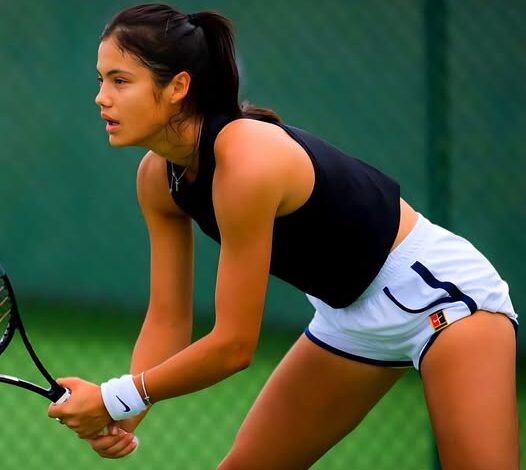
Emma Raducanu has never been one to shy away from perspective, and her latest comments on the relentless tennis calendar underline a maturity that continues to set her apart from many of her peers. Speaking candidly about the demands of the modern tour, the former US Open champion made it clear she has little appetite for complaining about a schedule that, while undeniably gruelling, has also afforded her extraordinary opportunity.
“We make a great living,” Raducanu said, cutting through a debate that has grown louder in recent seasons as players voice concerns over burnout, injuries, and limited downtime. Her stance was not dismissive of the physical and mental strain elite tennis places on athletes, but rather grounded in realism. For Raducanu, the privileges that come with life at the top of the sport demand a level of accountability and resilience.
The tennis calendar is famously unforgiving. With tournaments stretching across continents nearly year-round, players are often navigating long-haul travel, surface changes, and compressed recovery windows. High-profile figures on both the ATP and WTA Tours have called for reform, arguing that the sport risks shortening careers and diminishing on-court quality. Raducanu, however, appears to view these challenges as part of the professional bargain.
Her comments also reflect her unique position within the sport. Since her astonishing run at the 2021 US Open, Raducanu has become one of the most marketable athletes in global tennis. Despite injuries and fluctuating form since that breakthrough, her commercial appeal has remained remarkably strong. Endorsement deals with major brands across fashion, technology, and luxury sectors have significantly bolstered her earnings, often independent of weekly results.
This commercial success clearly informs her outlook. While prize money remains a core component of a player’s income, endorsements can far outweigh on-court earnings for top stars. Raducanu’s portfolio places her among the elite in that regard, reinforcing her belief that the demands of the calendar must be viewed in the context of the rewards on offer.
That said, her position is not without nuance. Raducanu has been open in the past about the physical toll of the tour, particularly during periods plagued by wrist, ankle, and back issues. She has carefully managed her schedule, opting out of certain tournaments to prioritize long-term health. Her refusal to “moan” is not a denial of difficulty, but a conscious choice to frame the conversation constructively rather than emotionally.
There is also a generational element to her perspective. At just 22, Raducanu represents a cohort of players who have grown up with heightened awareness of branding, mental health, and career longevity. Rather than framing the calendar as an imposition, she appears to see it as a system to be navigated strategically. Smart scheduling, selective appearances, and professional support structures are, in her view, part of the modern athlete’s responsibility.
From a broader standpoint, Raducanu’s comments may resonate with fans and stakeholders who tire of what they perceive as excessive complaints from well-compensated athletes. Tennis, unlike many team sports, offers players significant autonomy over their schedules. While ranking points and contractual obligations influence decisions, players ultimately retain agency—something Raducanu’s remarks implicitly acknowledge.
As she continues her push to re-establish herself among the game’s elite, Raducanu’s outlook signals a player focused on gratitude as much as ambition. She understands the sacrifices the sport demands, but she also recognizes the rare platform it provides. In an era where discourse around workload and wellbeing is increasingly polarized, her measured stance offers a refreshing balance.
Emma Raducanu may still be writing the next chapters of her tennis career, but her perspective on the calendar suggests a player already thinking beyond short-term discomfort. For her, the equation is simple: the grind is real, but so are the rewards—and that, she believes, is more than worth acknowledging.
Deprecated: preg_split(): Passing null to parameter #3 ($limit) of type int is deprecated in /home/ecoirdaz/facetechcourses.com.ng/wp-content/themes/jannah/framework/functions/post-functions.php on line 863