Serena Williams’ Cheeky Comeback Hint Says Plenty — Without Saying Anything at All
Deprecated: preg_split(): Passing null to parameter #3 ($limit) of type int is deprecated in /home/ecoirdaz/facetechcourses.com.ng/wp-content/themes/jannah/framework/functions/post-functions.php on line 863

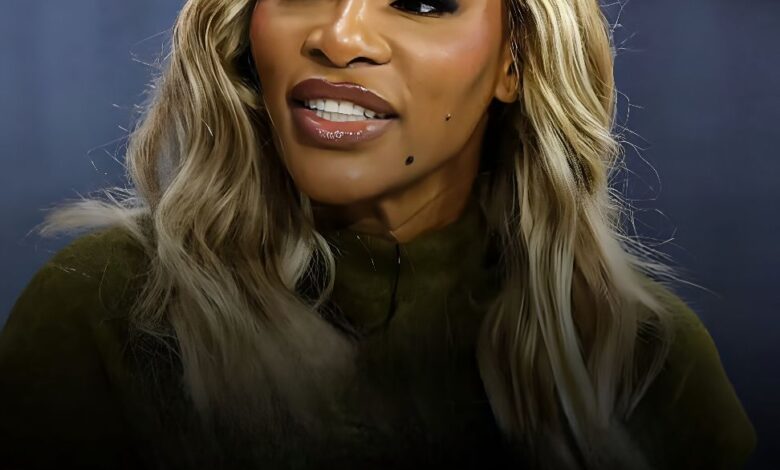
Serena Williams’ playful response when asked about a potential return to tennis has once again sent speculation into overdrive. Speaking during a TODAY interview, Williams sidestepped a direct answer with a knowing smile and a light, teasing remark—enough to keep the conversation alive without committing to anything concrete. For an athlete who has spent her career controlling both competition and narrative, the moment was classic Serena.
On the surface, the exchange was casual. No declarations, no timelines, no promises. Yet the reaction matters because of what surrounds it. Williams has recently re-entered the sport’s drug testing pool, a procedural requirement for any potential comeback. Combined with her refusal to shut the door publicly, the message is consistent: nothing is planned, but nothing is impossible.
From an analytical standpoint, this ambiguity is strategic rather than accidental. Historically, athletes who are genuinely finished tend to close the loop decisively. Williams has done the opposite. Since her last professional match at the 2022 US Open, she has repeatedly framed retirement as an “evolution,” not an endpoint. Her cheeky response fits that framing—maintaining optionality while avoiding expectation.
The competitive context, however, remains demanding. The WTA Tour Williams would return to is faster and deeper than the one she left. Data from recent seasons shows increased rally intensity and higher physical repeatability among top players. Williams’ late-career statistics already reflected this shift: her serve remained elite, but point-winning probability dropped sharply as rallies extended. That gap has likely widened with time away from competition.
Still, single-match viability is not the same as sustained competitiveness. Even in her final appearances, Williams demonstrated that when her first-serve percentage was high, she could trouble top-20 opponents. What proved difficult was backing that up across multiple rounds. Any realistic return would therefore depend on scope. A selective appearance—one tournament, one surface—presents a very different challenge from a full-season commitment.
Williams’ tone in the interview suggests awareness of that distinction. The humor deflects pressure while keeping control. It also prevents her comments from becoming binding. In modern sports media, definitive statements tend to harden into expectations. By staying playful, Williams keeps speculation external rather than personal.
The public reaction to her response is also revealing. Few athletes can generate headlines from a non-answer. That reflects Williams’ enduring centrality to tennis culture. Even absent from competition, she remains a reference point against which eras are measured. The appetite for her return speaks less to likelihood and more to legacy.
There is also a commercial and symbolic dimension. A Serena Williams return—even brief—would command global attention. Tournament organizers, broadcasters, and sponsors would all benefit. That reality ensures that if she ever chooses to return, access will not be the barrier. The barriers are physical, competitive, and personal, not logistical.
Importantly, Williams has nothing left to prove. Her career achievements are unmatched, and her influence transcends results. Any comeback would be about desire, not validation. That changes the risk calculus. Wins would be celebrated; losses would be contextualized. But the scrutiny would be intense regardless.
In that light, her cheeky reaction makes perfect sense. It neither fuels false hope nor closes the door. It keeps the narrative on her terms—light, open-ended, and unresolved.
For now, the answer remains the same as it has been since 2022: Serena Williams is not returning… but she isn’t done deciding either. And as long as she keeps smiling instead of saying no, the question will keep being asked.
Deprecated: preg_split(): Passing null to parameter #3 ($limit) of type int is deprecated in /home/ecoirdaz/facetechcourses.com.ng/wp-content/themes/jannah/framework/functions/post-functions.php on line 863