Andy Murray’s Tearful Confession: Why His Eldest Daughter Struggled When Dad Came Home Full-Time!
Deprecated: preg_split(): Passing null to parameter #3 ($limit) of type int is deprecated in /home/ecoirdaz/facetechcourses.com.ng/wp-content/themes/jannah/framework/functions/post-functions.php on line 863

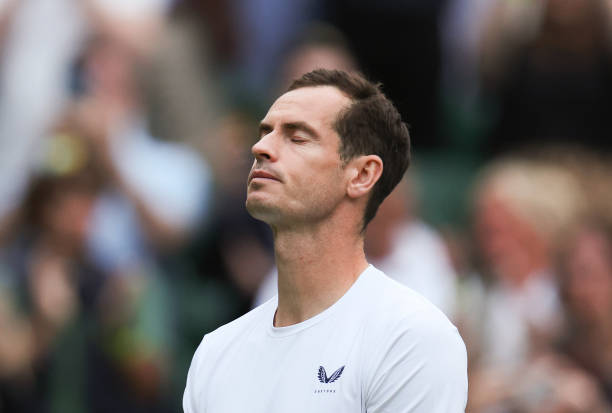
The roar of the crowd, the flash of cameras, and the weight of expectation — for years, that’s been the world of Andy Murray. But after years of relentless touring, training, and international pressure, the legendary tennis star recently made a choice many walk away from: he came home. Full-time. And it should have been a warm, healing reunion — but instead, it quietly wounded his eldest daughter.
In a rare and deeply emotional admission, Murray revealed that his oldest child found it hard to adapt when he returned to daily life. The shift from an absent father to a presence in her room, her routines, and her world — though seemingly positive — unsettled her. Because to her, Dad had been somewhere else for so long. His sudden return disrupted the balance she’d built.
Murray spoke of quiet mornings that felt awkward, of glances where his daughter hesitated before addressing him. She’d grown used to doing things on her own, getting ready for school on her own, living in her own rhythm. Suddenly, there was another set of footsteps at breakfast. Another pair of eyes noticing her homework. Another voice offering help. For a child, it meant recalibrating everything — trust, privacy, independence.
It struck Murray hard. The man who’d once been consumed by Grand Slams and rivalries now found himself wrestling with guilt, sadness — and helplessness. He admitted that despite his best intentions, the change may have felt like chaos for her. The security she built in his absence, the independence she nurtured, even the acceptance of distance — all of it had to shift.
Fans and fellow players were quick to respond with empathy and support. Many shared stories of similar experiences — of children who adapted differently when parents changed routines. Some praised Murray’s honesty: “It takes courage to say this publicly,” one fan commented. Others offered hope, reminding him that healing takes time.
But this moment serves as a reminder: stardom doesn’t erase the human challenges behind it. Parents come home, children grow — and sometimes that growth isn’t easy. For Murray’s daughter, it meant redefining normal. For Murray, it meant learning patience, humility, and the kind of love that doesn’t demand perfect days — but consistent presence.
Murray said he now tries to give space, respect boundaries, and rebuild trust — one day at a time. His message to other athletes was simple: coming home may be a victory for you, but for your children, it could be a challenge. Handle it with care.
In a sport built on victories, grand slams, and public triumphs, this is a different kind of story. It’s quieter, sadder — but maybe more real. Because sometimes the hardest courts to play are the ones closest to home.
Deprecated: preg_split(): Passing null to parameter #3 ($limit) of type int is deprecated in /home/ecoirdaz/facetechcourses.com.ng/wp-content/themes/jannah/framework/functions/post-functions.php on line 863