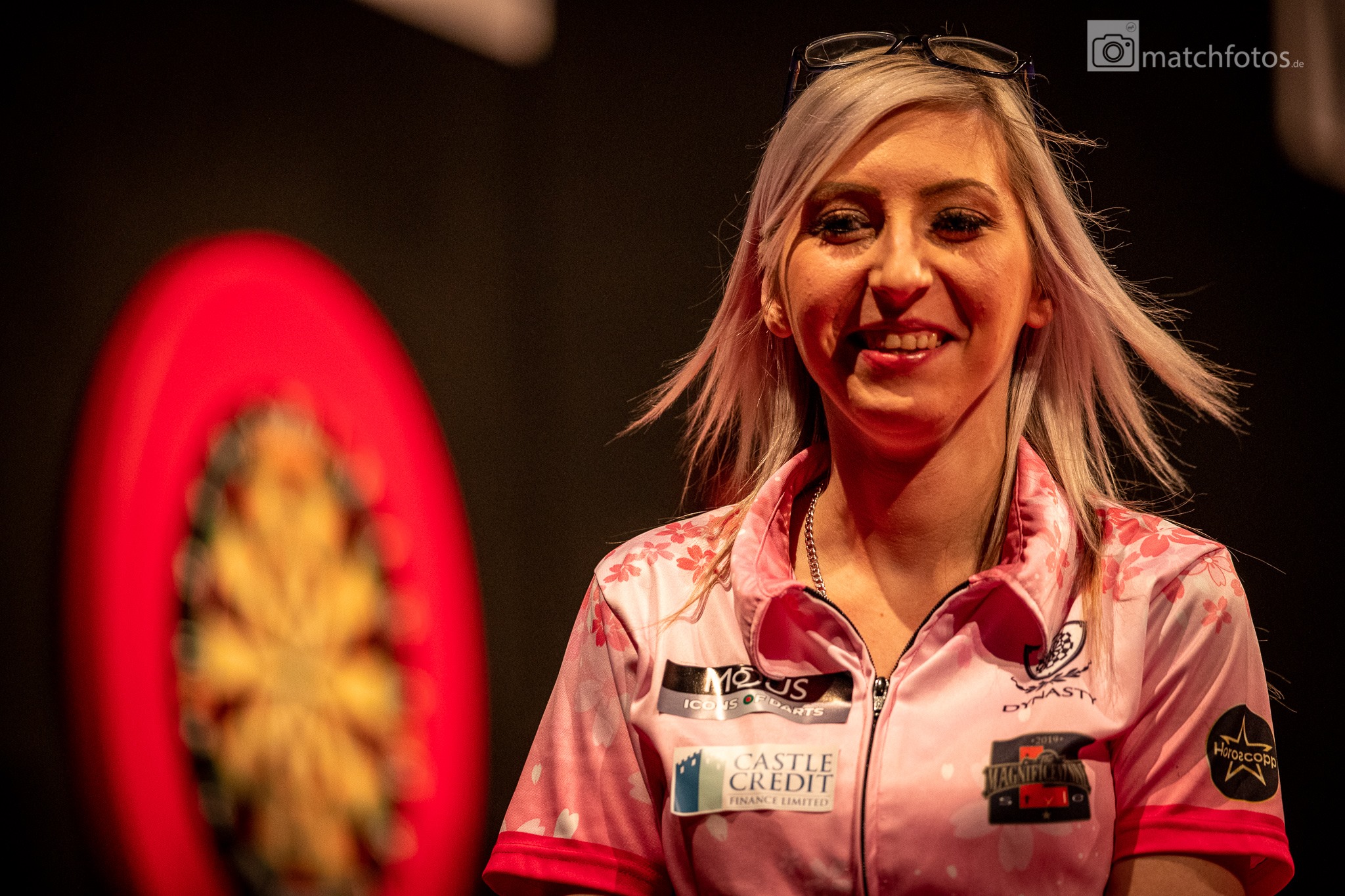
PDC Darts: Fallon Sherrock Takes Everything in Her Stride After Landmark Moment
Fallon Sherrock’s history-making victory at the World Darts Championship did more than secure a place in the record books. It altered the trajectory of women’s darts and reshaped how the sport measures possibility. Speaking in the studio after becoming the first woman to win a match at the PDC World Championship, Sherrock struck a tone that was almost as striking as the achievement itself: calm, grounded, and focused on what comes next rather than what had just been rewritten.
On the night itself, the significance was unmistakable. No woman had ever beaten a man on the World Championship stage at Alexandra Palace, a venue that has hosted the sport’s most iconic moments for decades. Sherrock’s win was therefore symbolic on multiple levels. It challenged long-held assumptions about competitive separation in darts and did so under the brightest lights the sport offers.
Statistically, the performance was built on execution rather than dominance. Sherrock’s three-dart average sat in the low-to-mid 80s, not extraordinary by elite PDC standards, but more than sufficient in context. The decisive factor was finishing. She converted a high percentage of her doubles, significantly outperforming her opponent in the moments that matter most at Ally Pally. In World Championship openers, where nerves and stage pressure often depress finishing rates, that edge proved decisive.
What stood out in Sherrock’s post-match reflections was her composure. Rather than framing the win as a culmination, she spoke of it as part of a process. That perspective is important. Barrier-breaking moments in sport often come with an emotional release that can be difficult to follow. Sherrock, however, appeared acutely aware that the moment would quickly give way to expectation.
Her reaction also reflected an understanding of the wider implications. Women’s darts had long produced elite competitors, but lacked a defining breakthrough on the PDC’s biggest stage. Sherrock’s victory provided that reference point. Within hours, the conversation around women’s participation in major tournaments shifted from theoretical to practical. The question was no longer whether it could happen, but how often.
From a performance-analysis standpoint, the win highlighted something darts data has long suggested: short-format matches amplify variance, and composure under pressure can outweigh raw scoring power. Sherrock did not overpower her opponent. She out-managed him. That distinction matters, particularly in discussions about opportunity and access. It reinforces the idea that competitive parity in darts is not solely about ceiling, but about execution in key moments.
In the studio, Sherrock was careful to downplay any sense of personal crusade. She described the win as something she had trained for, rather than something extraordinary. That framing aligns with her broader career narrative. Long before Ally Pally, she had competed regularly against male players in mixed events, often holding her own without fanfare. The difference here was the platform.
The aftermath was immediate and intense. Media attention surged, social engagement spiked, and Sherrock’s profile expanded overnight. Yet her response remained measured. She acknowledged the attention but resisted being defined by it. That balance would prove important in the years that followed, as expectation and scrutiny became constant companions.
In hindsight, the studio appearance captured a pivotal transition point. Sherrock was no longer simply a competitor; she had become a reference. Every subsequent appearance by a woman at the World Championship would be compared, directly or indirectly, to her moment. That weight could easily have altered her approach. Instead, she continued to frame her career around performance and sustainability.
The landmark win also exposed structural questions within darts. Access to regular high-level competition, tour cards, and ranking opportunities remain uneven. Sherrock’s achievement did not erase those barriers, but it made them harder to ignore. In that sense, the victory’s impact extended beyond the oche and into governance, scheduling, and qualification debates.
Years on, Sherrock’s career has evolved through health challenges, shifting roles, and a changing women’s circuit. Yet the way she handled that first historic moment still resonates. Taking everything “in her stride” was not a throwaway phrase. It was an early indicator of how she would navigate the complex aftermath of breaking new ground.
That night at Alexandra Palace will always stand alone. But Sherrock’s calm response in the studio helped ensure it was remembered not as a novelty, but as a legitimate sporting achievement — one that opened a door and, just as importantly, showed how to walk through it without losing balance.